
10 Evergreen Balcony Plants for Indian Home
Transform your balcony into a lush oasis with our guide to 10 evergreen balcony plants. From Bamboo Palm to fragrant Lavender, create a serene sanctuary at home!

Transform your balcony into a lush oasis with our guide to 10 evergreen balcony plants. From Bamboo Palm to fragrant Lavender, create a serene sanctuary at home!

Deep-rooted in the heart of the Indian subcontinent, the neem tree, scientifically known as Azadirachta indica, stands as a botanical marvel. Revered as the “Divine Tree” and “Nature’s Pharmacy,” the neem tree has a rich history and remarkable properties, particularly in the realm of gardening. In this comprehensive exploration, we delve into the world of neem, with a focus on neem oil for plants. We will unveil the origins of neem oil, the plant components used in its extraction, its pivotal role in gardening, and its extraordinary prowess in pest management. The Essence of Neem Oil: Neem oil, often referred to as the crown jewel among neem derivatives, is a prized extract primarily obtained through the cold-pressing of neem kernels. Within the neem fruit, seeds house a treasure trove of bioactive compounds. Neem oil has earned global acclaim for its multifaceted properties, making it an indispensable asset across various industries, with gardening taking center stage. The primary plant parts employed for neem oil extraction are the seeds. These seeds hold a rich repository of biologically active compounds, with azadirachtin being the standout ingredient responsible for many of neem oil’s beneficial attributes. The extraction process of neem oil is meticulously conducted to preserve its therapeutic and pesticidal qualities. Diving Into Neem’s Historical Significance: To truly grasp the rich history of neem, it is imperative to appreciate its multifaceted roles in traditional medicine and everyday life. For over two millennia, neem has been an integral part of Indian Ayurveda, renowned for its therapeutic properties. From treating skin ailments to promoting digestive health, neem has been hailed as a panacea in traditional medicine systems. Beyond its agricultural significance, neem is intricately woven into daily life. Its leaves serve as natural air purifiers, while its twigs have traditionally been used as toothbrushes, promoting oral hygiene. The bark, rich in tannins, finds utility in tanning leather and preserving fishing nets. Neem’s historical importance transcends borders, as its utility and cultural significance continue to resonate globally. Use in Gardening: The utilization of neem oil in gardening represents a milestone in sustainable farming practices, and its adoption has proliferated due to several pivotal advantages. 1. Natural Pesticide: Neem oil emerges as a potent neem-based pesticide, providing protection to crops against a wide array of agricultural pests i.e. Aphids, Mealy bugs, caterpillars, mites, beetles, and more meet their match in neem oil, while beneficial insects such as bees, butterflies and ladybugs remain won’t harmed. This characteristic makes neem oil ideal for integrated pest management (IPM) strategies. 2. Biodegradability: Neem-based insecticides are celebrated for their biodegradability. In stark contrast to synthetic pesticides that linger in the environment and harm non-target organisms, neem-based solutions naturally break down, reducing the ecological footprint of gardening. 3. Safety for Humans and Animals: Neem oil exhibits a high degree of safety for humans and animals alike, rendering it a sustainable and eco-friendly option for crop protection. Gardeners benefit from reduced exposure to harmful chemicals. Also Read: 10 Easy Steps to Start with Organic Gardening Role of Neem In Pest Control: The role of neem in pest control is nothing short of a revolution. Neem-based pesticides and insecticides, derived from neem oil and neem extracts, have emerged as champions in the quest for eco-friendly and effective pest management. These products showcase a spectrum of properties, including repellence, growth disruption, and reduced feeding in target pests. Crucially, they inflict minimal harm on non-target organisms and the environment, aligning seamlessly with the principles of sustainable farming. As gardening to meet the challenges of the 21st century, the enduring importance of the neem tree in the agricultural realm remains steadfast. Neem and its derivatives, particularly neem oil, play a pivotal role in striking the delicate balance between safeguarding crops and preserving the environment. In light of the global shift toward sustainable and organic farming practices, neem stands as a guiding light, bridging the gap between nature and science, and steering us toward food security and environmental sustainability. Neem Oil’s Contribution to Overcoming Pest Resistance: One of the remarkable attributes of neem oil is its capacity to counter the resistance that some pests develop against synthetic pesticides over time. This phenomenon, known as pesticide resistance, poses a significant challenge in modern gardening. However, neem-based pesticides, armed with a complex array of bioactive compounds, function differently from their synthetic counterparts. They disrupt various facets of a pest’s life cycle, including feeding behavior, growth, and reproduction. This multi-pronged approach makes it arduous for pests to develop resistance to neem-based solutions. Furthermore, neem-based pesticides can serve as a valuable component in integrated pest management (IPM) programs. These programs combine diverse pest control methods, reducing reliance on chemical pesticides and further mitigating the risk of resistance development. Consequently, neem oil not only effectively controls pests but also addresses the persistent issue of pesticide resistance in gardening and gardening. Assessing Neem Oil’s Quality: Evaluating the quality of neem oil is imperative to ensure its efficacy across various applications, particularly in gardening. Here are several key quality characteristics to consider when scrutinizing neem oil for plant care: 1. Fragrance: High-quality neem oil should possess a robust, distinctive, and somewhat pungent odor. This fragrance is often likened to that of garlic or nuts. The presence of this characteristic scent signifies the abundance of active compounds, including azadirachtin, which contributes to its pesticidal properties. 2. Solubility in Water: Quality neem oil should demonstrate excellent solubility in water. This property assumes significance in the creation of emulsifiable concentrates, frequently used in gardening to blend neem oil with water for applications. Complete solubility ensures even distribution and effective coverage on plants. 3. Certification: In India, the Central Insecticides Board (CIB) certification serves as a hallmark of quality assurance for agricultural inputs, including neem-based pesticides. A neem oil product bearing CIB certification has undergone rigorous testing and meets established quality standards, establishing it as a dependable choice for gardeners. 4. Shelf Life: Neem oil should boast a reasonably extended shelf life when stored correctly. High-quality neem oil remains stable

Do you dream of having your very own garden right in your backyard? Well, guess what? You can make that dream come true! Backyard gardening is a wonderful way to connect with nature, learn about plants, and grow your own fruits and vegetables. We will explore how to start a small backyard garden. So put on your gardening gloves, grab a shovel, and let’s get started on this exciting adventure! Step By Step Guide – How To Start Backyard Garden Step 1: Choose a Spot The first step in starting a backyard garden is to find the perfect spot. Look for an area in your yard that gets plenty of sunlight throughout the day. Plants need sunlight to grow big and strong. Make sure the spot is also easily accessible so that you can water your plants and take care of them. It’s important to pick a spot with good soil that drains well. You can do a simple soil test by digging a small hole and filling it with water. If the water drains away within a few hours, then you have good soil! Step 2: Plan Your Garden: Now that you have your spot, it’s time to plan your garden. Think about what you want to grow. Do you want to grow colorful flowers or yummy vegetables? Make a list of the plants you want in your garden. Consider their sizes and how much space they need to grow. You can draw a simple sketch of your garden and decide where each plant will go. This will help you stay organized and make the most of your space. Step 3: Prepare the Soil: Next, it’s time to prepare the soil for your plants. Use a garden fork or shovel to loosen the soil and remove any weeds or rocks. You can also add some compost or organic matter to make the soil richer and provide nutrients for your plants. Mix the compost into the soil using your hands or a garden trowel. This will create a nice, fertile bed for your plants to grow in. Also Read: Why Plant Protection Spray Is Important? Step 4: Plant Your Seeds or Seedlings: Now comes the fun part – planting! If you have seeds, read the instructions on the seed packet to know how deep to plant them and how far apart they should be. Make small holes in the soil with your finger or a small stick and gently place the seeds inside. If you have seedlings, which are baby plants already started in small pots, dig holes in the soil that are big enough to accommodate the roots. Place the seedlings in the holes and cover the roots with soil. Water your plants gently after planting to help them settle in. Step 5: Water and Care for Your Plants: Watering is essential for the growth of your plants. Give your garden a good drink of water after planting, and then water regularly depending on the needs of your plants. Some plants need more water, while others need less. Check the soil by touching it with your finger. If it feels dry, it’s time to water. Be careful not to overwater, as too much water can drown the roots. In addition to watering, take care of your plants by removing any weeds that may sprout up. Weeds compete with your plants for nutrients and can hinder their growth. You can gently pull them out by hand or use a small garden tool. Step 6: Watch Your Garden Grow: As you water and care for your garden, you will start to see your plants grow and flourish. It’s an exciting sight! Keep an eye out for any pests or bugs that may try to eat your plants. If you spot any, you can use natural methods like picking them off or spraying them with a mixture of water and soap. Remember to be patient. Plants take time to grow, and each one has its own pace. Enjoy the process of watching your garden thrive and be proud of your green thumb! Conclusion: Starting a backyard garden is a wonderful adventure that allows you to connect with nature and grow your own plants. By following these simple steps, you can create a small garden right in your backyard. Remember to choose a sunny spot, plan your garden, prepare the soil, plant your seeds or seedlings, water and care for your plants, and watch them grow. Gardening is a journey of patience and discovery, so have fun and enjoy the beauty of nature unfolding in your own backyard! Frequently Asked Questions (FAQs)
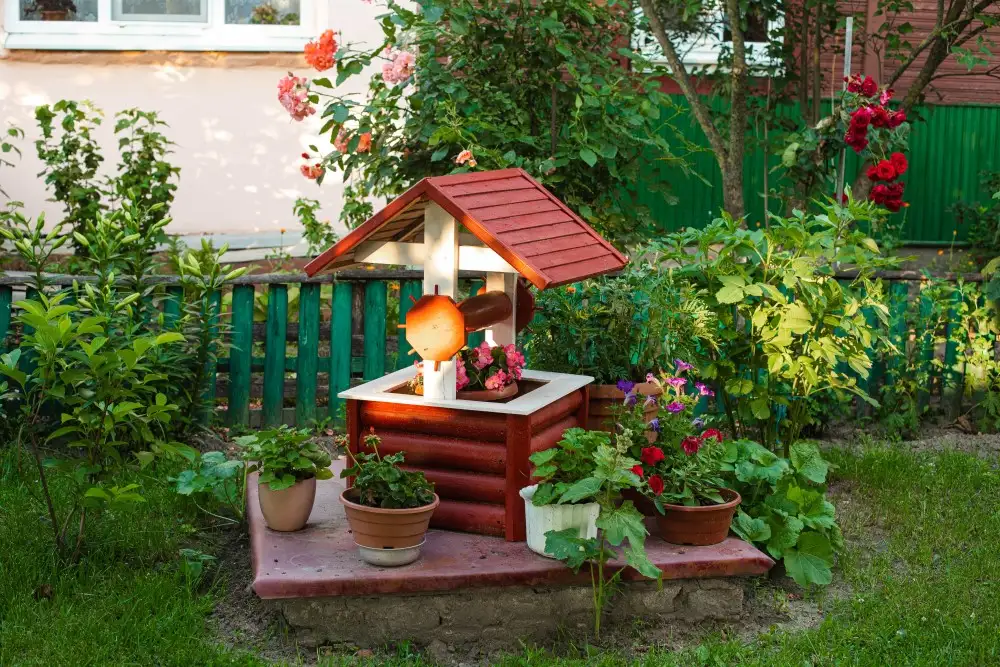
If you live in a small space, you might not have a lot of room to grow your plants. One solution is to start balcony gardening or vertical gardening is a great way to use small spaces, add some greenery to your home, and grow flower fresh herbs and vegetables. It’s a place to relax and enjoy the fresh air and a great space for gardening This outdoor garden idea for small spaces will give tips and tricks for getting started. We have some great ideas for designing a large terrace space, updating your balcony, building a terrace bar, or creating a reading space with a cosy coffee table. Let’s look at some garden trends to inspire you for your look at garden trends to inspire you for your own outdoor garden. Go Vertical- If you have a small space and want to do very small garden ideas on a budget, then you can continue your gardening by adding trellis or arbours to create an illusion that you have more space for gardening and add natural texture and fragrance to the garden. Repurpose an old step ladder for plants This is yet another method for lifting pots and planters off the ground. By placing them on the steps of a step ladder, you make a small area greener by using an old or no longer-used wooden step ladder with a damaged appearance that adds rustic charm to your garden. Container Gardening Container gardening is a great method of growing plants, vegetables, fruits, flowers, and herbs if you have a small space, you can grow different plants together you can easily rotate them for getting a new look save tons of gardening space over having multiple pots on the ground, it can be a quite well option for outdoor garden ideas for small spaces USE TRELLISES One of the best ideas for gardening in small spaces is using trellises to grow plants upwards or require less water have better structure and increase airflow moreover these plants are easier to harvest and provide shade to the plant who loves to stay in shade. SQUARE FOOT GARDENING We can do square-foot gardening in a small space and split raised beds into a grid. Because the raised bed contained beneficial dirt mix you can use the square-foot gardening technique on any surface like small garden ideas no grass or cemented floors it produces high yields in a small area CHOOSE PLANTS THAT ARE PERFECTLY SIZED FOR A SMALL GARDEN Along with growing plants vertically some plants are made for growing in a small garden space you can select dwarf plants instead of selecting full-size plants because they cover more places so you can select dwarf plants like Baby Eggplant, Dwarf lettuce, Baby Artichokes perfect for small gardens Use walls and fences for climbers In a small garden, we use walls and fences for climbers for adding greenery, and shade and create a lovely wall They’re good at absorbing noise and pollution too. they require a little bit of maintenance because they are usually oversized you can create various combinations with them. Must Read: Top 10 Winter Gardening Tips for Outdoor Plants Fix planters under the kitchen window Kitchen Window boxes are the best DIY garden ideas for small spaces we can add troughs on top of one another according to kitchen window spaces this is a very good option for growing plants we need to open glasses to grab what we need. Elevate plants to new levels Convert your small space to a new level by using vertical shelving. This solution will give your gardening accessories and potted plants extra space how small your space is you will use it as efficiently as possible. Add a Gallery Wall Create a display of framed flower garden designs for small spaces and wall-hung flower planters on an outside wall, fence, or shed in the same way you would hang pictures indoors. Utilize thrift store finds by hanging old wooden frames and repurposing old loaf tins as planters. Simply drill holes in the base for drainage and in the side for wall attachment. flower garden designs for small spaces Conclusion When you know how to do it, gardening can be both enjoyable and rewarding. The Outdoor Garden ideas for small spaces ideas mentioned above are simple to implement in any home and yield extraordinary results. All you need is a bit of space and some basic gardening supplies. Choosing the right plants for your garden is the most important thing. Whether in an apartment or a house with a small balcony, window gardening is a great way to make the most of your space. Frequently Asked Questions (FAQ):