10 Best Herbs To Grow At Home

10 Best Herbs To Grow At Home

Growing herbs at home is not only a fun and rewarding experience but also a great way to enhance the flavors of your favorite dishes. Whether you have a big garden or a small apartment, you can easily create an indoor herb garden and enjoy fresh herbs all year round. In this article, we will explore the best herbs to grow at home and guide you on how to start your very own indoor herb garden. Let’s Discover The Wonders Of These Incredible 10 Herbs Plants! 1. Basil – The King of Herbs: Basil, with its delightful aroma and versatility, is a must-have herb in any home garden. This herb thrives in warm temperatures and requires plenty of sunlight. With its vibrant green leaves, basil adds a touch of freshness to salads, sauces, and even homemade pizzas. Just remember to pinch off the flowers to promote healthy leaf growth and harvest the leaves regularly to encourage bushiness. 2. Chives – The Onion-Like Herb: Chives are a popular choice for herb gardeners, especially those who enjoy a mild onion flavor. These slender, grass-like herbs are easy to grow and require minimal care. They are perfect for garnishing soups, salads, and baked potatoes. Chives thrive in well-drained soil and prefer a sunny spot in your indoor garden. Don’t forget to snip off the leaves from the base to encourage new growth. 3. Mint – The Refreshing Herb: Mint is a refreshing herb that not only adds a burst of flavor to your beverages but also has medicinal properties. This aromatic herb can be grown easily indoors, and its sprawling growth habit makes it a great choice for container gardening. Whether you prefer peppermint, spearmint, or chocolate mint, you can enjoy a refreshing cup of tea or add mint leaves to cocktails and desserts. Keep in mind that mint tends to spread, so it’s best to grow it in a separate container. 4. Parsley – The Versatile Herb: Parsley is a versatile herb that comes in two popular varieties: curly and Italian flat-leaf. Both types are excellent additions to any indoor herb garden. Parsley prefers cool temperatures and partial sunlight. Its leaves can be used to enhance the flavor of soups, stews, and sauces or simply as a garnish. Regular harvesting promotes new growth, so don’t be shy about snipping a few leaves whenever you need them. 5. Rosemary – The Fragrant Herb: Rosemary is a woody perennial herb that offers a delightful fragrance and a distinct flavor to your culinary creations. It requires well-draining soil and plenty of sunlight, making it ideal for an indoor herb garden near a sunny window. Rosemary can be used to season roasted vegetables, grilled meats, and homemade bread. It also adds an aromatic touch to infused oils and herbal teas. Remember to prune it regularly to maintain its shape and encourage bushiness. 6. Thyme – The Flavorful Herb: Thyme is a small, bushy herb known for its incredible fragrance and robust flavor. It thrives in well-drained soil and requires at least six hours of sunlight per day. Thyme is a versatile herb that compliments various dishes, including roasted meats, stews, and marinades. You can also use it to infuse olive oil or butter for a flavorful twist. Regularly trim the stems to keep the plant compact and encourage new growth. 7. Oregano – The Pizza Herb: Oregano is an essential herb in Italian cuisine, known for its strong, zesty flavor. It is relatively easy to grow and can be harvested throughout the year. Oregano prefers a sunny spot and well-draining soil. This herb pairs perfectly with tomato-based sauces, pasta dishes, and of course, pizza! To encourage bushiness, pinch off the tips and harvest the leaves as needed. 8. Cilantro – The Fresh Herb: Cilantro, also known as coriander, is a popular herb with a fresh and citrusy flavor. It grows best in cooler temperatures and requires regular watering. Cilantro is commonly used in Mexican, Thai, and Indian cuisines, adding a unique taste to salsas, curries, and guacamole. The leaves are best harvested when they are young and tender for optimal flavor.  9. Dill – The Herb with a Twist: Dill is an herb with feathery leaves and a distinct flavor that adds a unique twist to dishes. It prefers full sun and well-draining soil. Dill is often used in pickling cucumbers, but it also complements seafood, salads, and sauces. Harvest the leaves just before flowering for the best flavor and remember to save the seeds for pickling if desired. 10. Sage – The Savory Herb: Sage is a perennial herb with silvery-gray leaves and a savory flavor. It thrives in well-drained soil and requires ample sunlight. Sage is commonly used to flavor poultry dishes, stuffings, and sauces. You can also make a soothing sage tea by steeping the leaves in hot water. Prune the plant regularly to maintain its shape and encourage new growth. Conclusion: Growing herbs at home is an exciting and rewarding experience, even for young aspiring gardeners. Whether you have a small space or a large garden, creating your own indoor herb garden is a great way to explore the wonders of nature and add fresh flavors to your favorite dishes. Remember to provide the right growing conditions for each herb and use growth boosters like “Grow Me Fast” regularly to encourage healthy growth. With a little love and care, you can enjoy a bountiful harvest of these ten best herbs throughout the year. Herb gardening is an exciting endeavor one can take up as a hobby as it is not only self-satisfying but also decorative to your indoor space. So why not start your own indoor herb garden today and embark on a flavorful journey. Frequently Asked Questions (FAQs)

10 Beautiful Flower Plants for Balcony in India

10 Beautiful Flower Plants for Balcony in India

A balcony is a wonderful place to create a small garden oasis and bring vibrant colors and delightful fragrances into your living space. Whether you have a small balcony or a spacious one, filling it with beautiful flower plants can transform it into a blooming paradise. In this blog, we will explore the top 10 flower plants that are perfect for balcony gardens in India. From vibrant blooms to sweet scents, these flowering plants will add charm and beauty to your balcony. Let’s Discover The Best Flower Plants for Your Balcony Garden 1. Marigolds (Tagetes erecta): Marigolds are a popular choice for balcony gardens due to their bright and cheerful blooms. They come in various shades of yellow, orange, and red, adding a burst of color to your space. Marigolds are easy to grow and can tolerate hot and dry conditions. They also have natural pest-repellent properties, making them a practical choice for balcony gardens. 2. Petunia (Petunia spp.): Petunias are known for their abundant and colorful flowers that bloom throughout the season. They come in a wide range of hues, including shades of pink, purple, red, and white. Petunias are low-maintenance and thrive in full sun or partial shade. They are perfect for hanging baskets or containers, adding a cascade of beauty to your balcony. 3. Geranium (Pelargonium spp.): Geraniums are versatile flowering plants that are well-suited for balcony gardens. They produce clusters of vibrant flowers in shades of pink, red, and white. Geraniums prefer full sun and well-drained soil. They are relatively drought-tolerant and can withstand hot temperatures, making them ideal for Indian climates. 4. Bougainvillea (Bougainvillea spp.): Bougainvillea is a stunning flowering plant that adds a touch of tropical beauty to balconies. It is known for its vibrant and long-lasting bracts, which come in shades of pink, purple, orange, and white. Bougainvillea thrives in warm climates and requires full sun to produce abundant blooms. With proper pruning and support, it can create a spectacular display on your balcony. 5. Portulaca (Portulaca grandiflora): Portulaca, also known as Moss Rose, is a drought-tolerant flower plant perfect for balcony gardens. It blooms in vibrant shades of pink, red, orange, yellow, and white. Portulaca prefers full sun and well-drained soil. Its delicate and colorful flowers will add a touch of charm to your balcony garden. 6. Gerbera Daisy (Gerbera spp.): Gerbera Daisies are known for their large and vibrant flowers, making them a popular choice for balcony gardens. They come in a variety of colors, including pink, orange, red, and yellow. Gerbera Daisies thrive in full sun or partial shade and require regular watering. Their eye-catching blooms will bring joy and beauty to your balcony. Also Read: 10 Essential Vegetables for Your Balcony Garden 7. Salvia (Salvia spp.): Salvias are versatile flower plants that bloom in a range of colors, including blue, purple, red, and white. They are known for attracting pollinators like bees and butterflies to your balcony garden. Salvias prefer full sun and well-drained soil. With their striking flowers and attractive foliage, salvias will make a statement in your outdoor space. 8. Zinnia (Zinnia elegans): Zinnias are easy-to-grow flowers that come in a wide array of vibrant colors. They are perfect for adding a splash of color to your balcony garden. Zinnias prefer full sun and well-drained soil. With their long-lasting blooms and diverse color palette, zinnias will create a cheerful and lively atmosphere on your balcony. 9. Verbena (Verbena spp.): Verbena is a low-maintenance flower plant that produces clusters of small, delicate flowers in shades of pink, purple, red, and white. It thrives in full sun and well-drained soil. Verbena is a favorite among pollinators and will attract butterflies and bees to your balcony garden. Its abundant blooms and lovely fragrance will enchant your outdoor space. 10. Pansy (Viola tricolor): Pansies are beloved for their charming, “smiling” faces and their ability to thrive in cooler temperatures. They come in a wide range of colors, including shades of purple, blue, yellow, and white. Pansies prefer partial shade and well-drained soil. These dainty flowers will add a touch of elegance and whimsy to your balcony garden. Conclusion: Creating a beautiful flower-filled balcony garden in India is a rewarding and enjoyable endeavor. The 10 flower plants we explored, including Marigold, Petunia, Geranium, Bougainvillea, Portulaca, Gerbera Daisy, Salvia, Zinnia, Verbena, and Pansy, are ideal choices for adding color, fragrance, and visual appeal to your balcony. Remember to consider the sunlight and temperature requirements of each plant to ensure their optimal growth and blooming. Embrace the beauty of nature, nurture your balcony garden with care, and watch it flourish into a stunning floral paradise. May your balcony become a haven of tranquility and delight as you enjoy the beauty and fragrance of these gorgeous flowers every day. Frequently Asked Questions (FAQs)

Benefits of Vermicompost

Top 10 Benefits of Vermicompost for Plants

Are you trying to find a natural and environmentally friendly solution to make your garden healthier? Vermicompost is the only option! This earthworm-produced, nutrient-dense fertilizer has numerous advantages for both your plants and the environment. The top ten benefits of utilizing vermicompost for plants in the garden, and how to use it in your everyday gardening will all be covered in this blog. Here Are The 10 Benefits of Vermicompost 1. Improved Soil Structure: Gardening vermicompost does wonders for the soil’s structure. Your plants will have the best growing circumstances possible thanks to its capacity to retain moisture while also allowing for appropriate drainage. enhanced root formation and general plant health are made possible by the enhanced soil structure. 2. Enhanced Nutrient Content: Vermicompost is a powerhouse in terms of nutrients. loaded with necessary plant nutrients such as nitrogen, phosphorus, and potassium, as well as micronutrients like calcium and iron, it provides a balanced and readily available nutrient supply to your plants. This ensures robust growth and healthy development. 3. Increased Microbial Activity: Vermicompost is teeming with beneficial microbes and microorganisms that work wonders for your garden. These tiny allies improve soil health by breaking down organic matter, aiding in nutrient cycling, suppressing harmful pathogens, and promoting plant growth. The microbial activity in vermicompost contributes to a thriving ecosystem beneath the surface. 4. Stronger Plant Growth: With its nutrient-rich composition and beneficial microbial activity, vermicompost promotes vigorous plant growth. From enhancing seed germination to stimulating shoot growth and overall plant vigor, your garden will thrive with the help of vermicompost. 5. Disease Suppression: A healthy garden is less susceptible to diseases, and vermicompost plays a vital role in disease suppression. The beneficial microorganisms present in vermicompost help suppress harmful pathogens, reducing the incidence of plant diseases. This natural defense mechanism ensures a resilient and thriving garden. 6. Weed Control: Tired of battling stubborn weeds in your garden? Vermicompost can help. By promoting healthier plants, vermicompost increases their competitiveness against weeds. Some studies suggest that certain compounds in vermicompost may even inhibit weed seed germination, giving you an organic advantage in weed control. 7. Enhanced Water Retention: Water is a precious resource, and vermicompost helps make the most of it. With its water-holding capacity, vermicompost reduces water loss through drainage and evaporation. This property not only helps conserve water but also enables your plants to withstand drought conditions by improving their access to moisture and reducing water stress. 8. Environmental Sustainability: Vermicomposting is not only beneficial for your garden but also for the environment. By diverting organic waste from landfills and transforming it into nutrient-rich vermicompost, this practice reduces waste and promotes sustainability. Embracing vermicomposting is a small step towards a greener and healthier planet. 9. Soil Restoration: Over time, soil can become depleted of nutrients and lose its fertility. Vermicompost comes to the rescue by restoring degraded soils. Its organic matter replenishes nutrients and improves soil fertility. Whether you have heavily cultivated soil or soil damaged by chemical use, vermicompost aids in the long-term health improvement of your soil. 10. Easy to Use in Your Garden: Incorporating vermicompost into your gardening routine is simple. To use vermicompost in your garden, mix it into the soil before planting or apply it as a top dressing around existing plants. Aim for a 10-20% vermicompost-to-soil ratio. Water the garden after application to help the nutrients settle in and provide maximum benefit to you. Recommended product – Elevate your gardening with our ready-to-use vermicompost – “Enriched Vermi Lite“ – a natural wonder for vibrant plants and flourishing harvests. Conclusion Vermicompost offers a multitude of benefits for your plants, garden, and the environment. Its ability to improve soil structure, provide essential nutrients, and promote robust plant growth makes it an invaluable asset for any gardener. Additionally, vermicompost aids in disease suppression, weed control, and water retention, ensuring a healthier and more resilient garden. Frequently Asked Questions (FAQs)

Why Plant Protection Spray Is Important

Why Plant Protection Spray Is Important?

Did you know that plants, just like us, need protection to stay healthy and strong? In this blog, we will explore the importance of using plant protection spray to keep your home plants safe from harmful pests and diseases. We’ll discover how these sprays work and why they are necessary to ensure your plants thrive. Get ready to learn about the magical world of plant protection. 1. What Is Plant Protection Spray? Plant protection spray is a special liquid that helps keep plants safe from insects, pests, and diseases. It is like a shield that protects our plants and helps them grow strong and healthy. These sprays are made from natural or synthetic ingredients that are safe for plants but harmful to pests. 2. Why do Plants Need Protection? Plants, just like us, can get sick. They can be attacked by tiny insects, like aphids, Jassids, Whitefly, and mites, that suck their juices and make them weak. Diseases, caused by bacteria or fungi, can also harm plants and make their leaves turn yellow or wilt. Plant protection spray helps prevent these problems and keeps our plants happy and thriving. 3. How does Plant Protection Spray Work? When we spray the plant protection spray on our plants, it forms a protective layer on their leaves. This layer makes it difficult for pests to crawl or fly onto the plants and protects them from harmful bacteria and fungi. It’s like putting on armor to keep the bad guys away! 4. Natural And Safe Ingredients: Some plant protection sprays use natural ingredients like neem oil, garlic, or peppermint. These ingredients are safe for plants, humans, and helpful insects like bees and butterflies. They work by repelling pests or interfering with their ability to eat or reproduce. So, we can protect our plants without harming the environment! 5. Protecting Our Garden Friends: Using plant protection spray is not just about keeping pests away; it’s also about protecting the helpful insects in our garden. Bees, butterflies, and ladybugs are good bugs that help pollinate flowers and eat harmful pests. Plant protection sprays made from natural ingredients ensure that these friendly insects are safe while keeping the bad bugs at bay. 6. Preventing Plant Diseases: Diseases can make plants sick and weak. Plant protection spray can help prevent diseases by creating a protective barrier that stops harmful bacteria and fungi from attacking the plants. It’s like giving our plants a superhero shield to keep them strong and healthy! 7. A Healthy Home for Plants: When we bring plants indoors, they rely on us to provide a safe and healthy environment. Using plant protection spray is an important part of caring for indoor plants. It helps prevent pests from entering our homes and protects our plants from diseases that can spread in closed spaces. Also Read: Top 10 Winter Gardening Tips For Indoor Plants 8. Easy To Use: Applying plant protection spray is easy and fun! All you need to do is follow the instructions on the bottle. Usually, you spray the liquid on the leaves, making sure to cover both the top and bottom surfaces. Remember to do this outside or in a well-ventilated area, as some sprays can have a strong smell. 9. Happy And Thriving Plants: By using plant protection spray, we can ensure that our plants stay healthy and happy. They will grow strong leaves, vibrant flowers, and tasty fruits or vegetables. When our plants are healthy, we can enjoy their beauty and even share their delicious harvest with our friends and family. Conclusion: Plant protection spray is like a superhero shield that keeps our plants safe from harmful pests and diseases. It helps our plants grow strong and healthy, ensuring that they thrive in our homes and gardens. By using natural and safe ingredients, we can protect our plants while preserving the environment Frequently Asked Questions (FAQs)
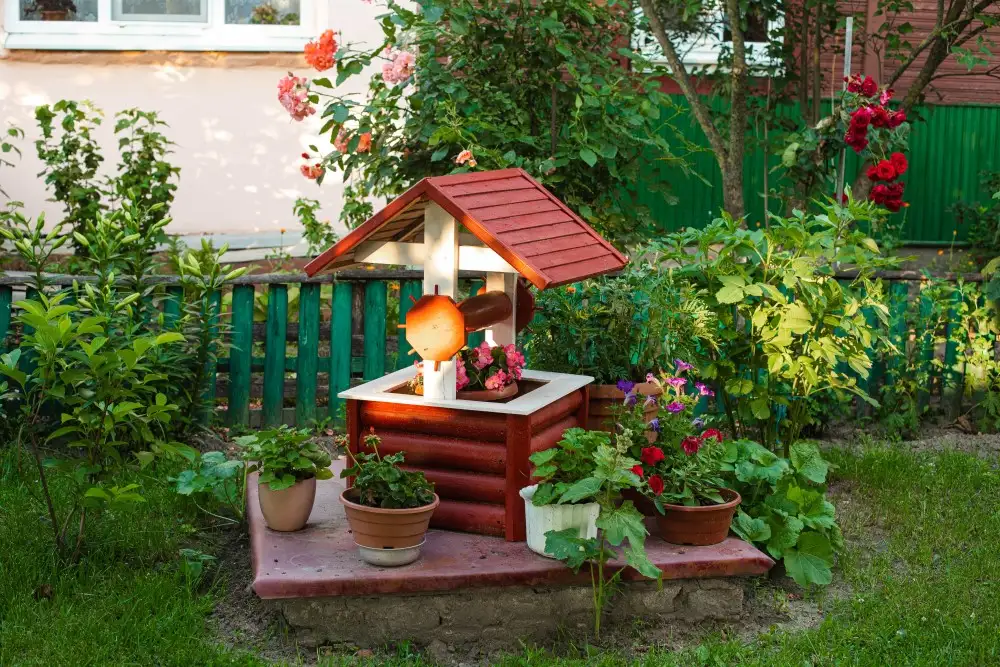
10 Essential Vegetables for Your Balcony Garden

10 Essential Vegetables for Your Balcony Garden

Do you know that you can grow your very own vegetables on your balcony garden? Yes, that’s right! Even if you live in an apartment, you can have a wonderful balcony vegetable garden and enjoy fresh and tasty veggies. It’s a fun and exciting way to learn about plants and where our food comes from. In this article, we will explore the best vegetables to grow on your apartment balcony. So, get ready to dig in the dirt and watch your veggies grow! 1. Cherry Tomatoes – Sweet and Juicy: Cherry tomatoes are small and delicious, just like little red or yellow balls of sunshine. They are perfect for growing in pots on your balcony. These tiny tomatoes are packed with flavor and can be eaten fresh, added to salads, or even used to make homemade pasta sauce. Just make sure to give them plenty of sunlight and water regularly. 2. Green Beans – Crunchy and Nutritious: Green beans are great for balcony gardens because they grow vertically, which means they don’t take up much space. You can use a trellis or some strings to support their vines. Green beans are crunchy and full of vitamins and minerals. They are yummy when steamed, stir-fried, or added to soups and salads. 3. Radishes – Quick and Colorful: Radishes are super-fast growers, which means you’ll see results in no time! These colorful veggies come in different varieties, like red, pink, or white. Radishes are perfect for small pots on your balcony. You can enjoy their crisp texture and peppery taste in salads or as a crunchy snack. 4. Lettuce – Fresh and Leafy: Lettuce is a leafy green vegetable that loves cool weather. It’s easy to grow in pots on your balcony, and you can harvest the leaves whenever you want a fresh salad. There are different types of lettuce, like green leaf, red leaf, or romaine. You can mix and match them for a colorful and tasty salad bowl. 5. Carrots – Sweet and Crunchy: Carrots may seem like they need a big garden, but you can actually grow them in deep pots on your balcony. These sweet and crunchy veggies are full of vitamins and are perfect for snacking or adding to stews and stir-fries. Just make sure the pot is deep enough for the carrots to grow straight and long. Also Read: Top 10 Winter Gardening Tips For Indoor Plants 6. Bell Peppers – Colorful and Versatile: Bell peppers come in various colors, like red, yellow, and green. They are not only beautiful but also tasty and packed with vitamins. Bell peppers can be grown in pots on your balcony, and they love lots of sunlight. You can enjoy them raw in salads, stuffed with delicious fillings, or sautéed in stir-fries. 7. Zucchini – Delicious and Easy: Zucchini is a summer vegetable that grows well in containers. These green or yellow squash-like veggies are incredibly versatile. You can use them in pasta dishes, stir-fries, or even make yummy zucchini bread. Just make sure to give them enough space to spread their vines. 8. Spinach – Nutritious and Leafy: Spinach is a leafy green vegetable that is full of iron and other nutrients that are good for your body. It’s easy to grow in pots on your balcony, and you can add its tender leaves to salads, sandwiches, or smoothies. Spinach loves cool weather, so it’s perfect for spring or fall balcony gardens. 9. Cucumbers – Crisp and Refreshing: Cucumbers are cool and refreshing, especially on a hot summer day. They can be grown in pots on your balcony, and they love climbing on trellises or strings. Cucumbers are great for salads, sandwiches, or even making homemade pickles. Just make sure to water them regularly and provide some shade during scorching days. 10. Peas – Sweet and Fun to Harvest: Peas are a favorite vegetable for many kids, and they are a lot of fun to grow. You can plant pea seeds in pots on your balcony, and watch as they climb and produce tasty pods. Peas are sweet and can be eaten fresh, added to stir-fries, or even used in soups. Make sure to give them a trellis or some strings to support their vines. Conclusion: Having a balcony vegetable garden is a fantastic way to learn about nature, where our food comes from, and enjoy the yummy fruits of our own labor. You can start small with a few pots and gradually expand your garden. Remember to provide sunlight, water, and lots of love to your balcony vegetables. With patience and care, you’ll soon be harvesting fresh and tasty veggies right from your balcony. So grab your gardening gloves and get ready to have a green thumb and a happy tummy! Frequently Asked Questions (FAQs)
Top 10 Winter Gardening Tips for Outdoor Plants

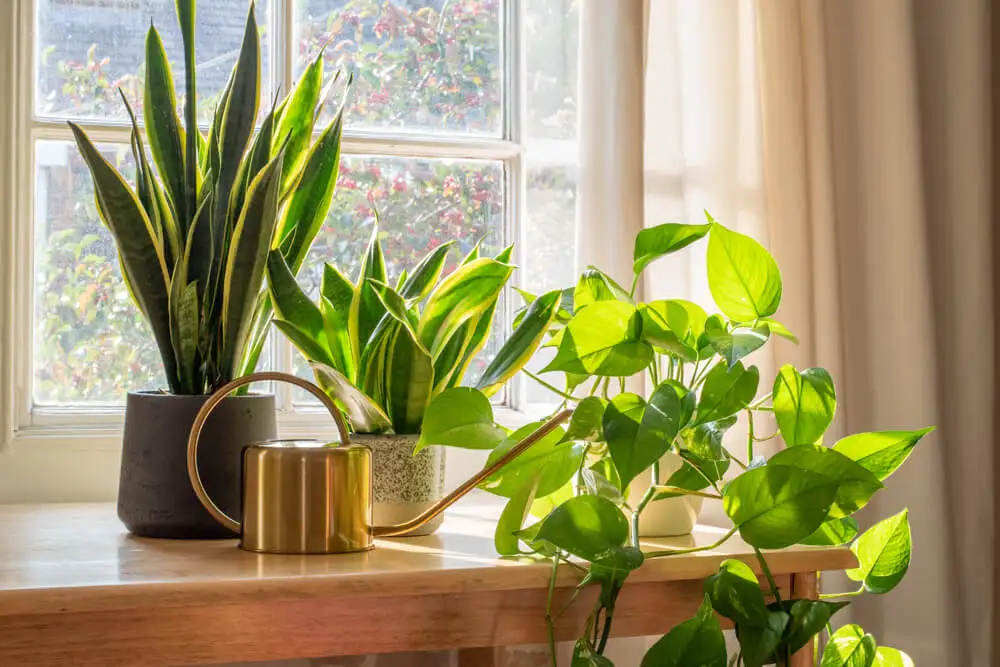
Top 10 Winter Gardening Tips for Outdoor Plants

Water outdoor plants properly during the winter months to keep them alive. Through Mulch, the watered soil keeps it moist and warm. To protect from frost damage, cover and enclose the plants as needed. Plants normally slow down their growth in cold weather, but it is still possible to get some good harvests. Ground freeze is a major issue for outdoor plants during the winter. Plants will most likely die if the ground freezes through to the roots. If the plants are exposed to frost for an extended period, they will wilt and die. Apply Mulch to Prevent Frost Apply mulch to help & protect from frost damage. It also holds moisture, controls weeds and helps keep pests away. Mulch helps you to increase the life of your plant and lower the soil moisture as a result, the plants need less water when it is winter, and frost will not be an issue. A thick layer of mulch surrounding your plants will help them sustain in winter, especially when you get below-freezing temperatures. Wind-blown soil can also damage the roots of top-heavy plants and catch on fire from extremely high heat. Always cover the crown of your plants with mulch or straw to protect against this occurrence. Cover Plants to Protect Them During Winter There are a lot of plants that we can put outside in the winter and protect them from freezing. Always keep them covered, so they cannot freeze. Care for healthy plants from winter’s worst cold by covering them with a light cover or blanket. Protecting your plants can help control temperature conditions that cause diseased, damaged, and overwintered plants, as well as help protect new seedlings from winter weather.  There Are Four Different Types Of Protection You Should Use With Your Garden: Remove Cover During the Day  Removing the cover during sunlight in the daytime. This will allow your plants to get more daylight, it also allows you to water them more often. When your plants still have a cover, remove it only at night when it’s dark. When it comes to keeping your plants alive and healthy during winter, the simplest way is to cover them with a blanket or sheet at night. This will help to control frost and wind damage and protect against squirrels and other animals.  Some plants can be kept alive during winter by keeping the soil covered with a floating plastic sheet, tarp, or fleece. Covering the plant with a floating sheet or tarp will keep it warm and allow it to stay on the surface of the soil when the temperature drops too much for it to survive without heating. Creating these mini greenhouses will help you keep your indoor plants alive for longer in the winter months. Must Read: Top 10 Outdoor Garden Ideas for Small Spaces Plant In Cold Frames If you want to keep your plants alive year-round, try planting in cold frames. Cold frames are an effective way to provide a winter shelter for plants, especially for those that need a lot of light to thrive. They are also good for insulating your home from cold air. Cold frames are a great way of preserving the health of plants that need a little extra attention during the winter months. These simple structures can be made from cardboard or any other material you have lying around, and they help to keep plants at a temperature that is ideal for their survival. Cold frames help plants survive the coldest winter months. Prune Your Garden Pruning will make your garden look neater and more attractive and provide valuable space. Pruning is an important part of gardening. All living things need to consume food and water. Unwanted plants can also consume your garden and take up valuable space.  Pruning allows you to control the growth of your plants, which can help provide more space or keep your fruit or flower garden looking fresh. Pruning your plantings is one of the best things you can do for them to thrive. The lighter, the air and water they receive, the more nutrients bloom and fruit they’ll produce. Cover up the Garden Beds Covering up the beds of your garden is an easy way to protect plants from winter and cold temperatures. While it may not be possible to completely cover these beds, there are a few simple ways you can help. You can’t garden without ground cover. An all-season or perennial ground cover will add shade and keep weeds from overgrowing your garden beds, even if constantly maintained. Creating a cosy cover for your garden is important to protect the plants from the cold and snow. Grey, brown, or black fabric works well. If you want to keep your plants warm but don’t want to lose their color, take these tips from winter gardening experts. Build a Compost Pile A compost pile is a great way to recycle kitchen and yard waste and manure into a resource that’s rich in nutrients for plants. The compost pile is crumbly, black material with many air pockets. It increases the organic matter in your soil and makes it much easier for plants to take up water. Creating a compost pile is one of the best ways to ensure that your outdoor garden will thrive this winter. Composting creates rich soil at the base of your plant and helps keep roots cool and oxygenated. More importantly, composting allows you to start anew with a healthier, happier plant next spring. Plant Cold-Resistant Herbs and Vegetables Winter gardening can be challenging, but there are some plants that do well even in chilly weather. These herbs and vegetables require little or no attention during the winter months to thrive and grow, so they make excellent additions to your garden. Cold-resistant herbs and vegetables are a must for pots and window boxes. The plants will survive below freezing. These plants also won’t suffer from heat stress, meaning that you can use fewer lights. Most herbs and vegetables will

Top 10 Outdoor Garden Ideas for Small Spaces

Top 10 Outdoor Garden Ideas for Small Spaces

If you live in a small space, you might not have a lot of room to grow your plants. One solution is to start balcony gardening or vertical gardening is a great way to use small spaces, add some greenery to your home, and grow flower fresh herbs and vegetables.                                                               It’s a place to relax and enjoy the fresh air and a great space for gardening This outdoor garden idea for small spaces will give tips and tricks for getting started. We have some great ideas for designing a large terrace space, updating your balcony, building a terrace bar, or creating a reading space with a cosy coffee table. Let’s look at some garden trends to inspire you for your look at garden trends to inspire you for your own outdoor garden. Go Vertical- If you have a small space and want to do very small garden ideas on a budget, then you can continue your gardening by adding trellis or arbours to create an illusion that you have more space for gardening and add natural texture and fragrance to the garden. Repurpose an old step ladder for plants This is yet another method for lifting pots and planters off the ground. By placing them on the steps of a step ladder, you make a small area greener by using an old or no longer-used wooden step ladder with a damaged appearance that adds rustic charm to your garden. Container Gardening Container gardening is a great method of growing plants, vegetables, fruits, flowers, and herbs if you have a small space, you can grow different plants together you can easily rotate them for getting a new look save tons of gardening space over having multiple pots on the ground, it can be a quite well  option for outdoor garden ideas for small spaces USE TRELLISES One of the best ideas for gardening in small spaces is using trellises to grow plants upwards or require less water have better structure and increase airflow moreover these plants are easier to harvest and provide shade to the plant who loves to stay in shade. SQUARE FOOT GARDENING We can do square-foot gardening in a small space and split raised beds into a grid. Because the raised bed contained beneficial dirt mix you can use the square-foot gardening technique on any surface like small garden ideas no grass or cemented floors it produces high yields in a small area CHOOSE PLANTS THAT ARE PERFECTLY SIZED FOR A SMALL GARDEN Along with growing plants vertically some plants are made for growing in a small garden space you can select dwarf plants instead of selecting full-size plants because they cover more places so you can select dwarf plants like Baby Eggplant, Dwarf lettuce, Baby Artichokes perfect for small gardens Use walls and fences for climbers In a small garden, we use walls and fences for climbers for adding greenery, and shade and create a lovely wall They’re good at absorbing noise and pollution too. they require a little bit of maintenance because they are usually oversized you can create various combinations with them. Must Read: Top 10 Winter Gardening Tips for Outdoor Plants Fix planters under the kitchen window  Kitchen Window boxes are the best DIY garden ideas for small spaces we can add troughs on top of one another according to kitchen window spaces this is a very good option for growing plants we need to open glasses to grab what we need. Elevate plants to new levels Convert your small space to a new level by using vertical shelving. This solution will give your gardening accessories and potted plants extra space how small your space is you will use it as efficiently as possible. Add a Gallery Wall Create a display of framed flower garden designs for small spaces and wall-hung flower planters on an outside wall, fence, or shed in the same way you would hang pictures indoors. Utilize thrift store finds by hanging old wooden frames and repurposing old loaf tins as planters. Simply drill holes in the base for drainage and in the side for wall attachment. flower garden designs for small spaces Conclusion When you know how to do it, gardening can be both enjoyable and rewarding. The Outdoor Garden ideas for small spaces ideas mentioned above are simple to implement in any home and yield extraordinary results. All you need is a bit of space and some basic gardening supplies. Choosing the right plants for your garden is the most important thing. Whether in an apartment or a house with a small balcony, window gardening is a great way to make the most of your space. Frequently Asked Questions (FAQ):

Top 10 Winter Gardening Tips For Indoor Plants

Top 10 Winter Gardening Tips For Indoor Plants

Winter care for indoor plants usually requires more attention than summer care. In the winter, we usually have chilling temperatures and pleasant sunshine. Dryness is a common problem in plants like humans, we need to apply more moisturizer to our skin to keep it from drying. Plants also require more moisture when it is cold outside. Here, we will discuss how to care for indoor plants in the winter, and the top 10 winter gardening tips for indoor plants, keep them alive, green & thriving by following the instructions. Know when to water One of the best ways to figure out how much water is required or how to keep any outdoor potted or indoor potted plants alive during winter is to stick the tip of your finger into the soil. If you feel moist under the soil surface, there is no need to sprinkle water on the plant. If you do not feel moist, you must sprinkle water. You must do these things every couple of days. Move Them Into The Sunlight Move your indoor plants a quarter-degree turn once a day, and always check the rotation of the indoor plant to ensure that there is no harm from excessive sunlight heat always ensures that your indoor plant gets enough sunlight, and air that is very beneficial for plant growth, and protects it from dust and wind. Watch Out for Pests Always follow winter gardening tips for indoor plants and how to protect them from bugs by using moist cotton balls and soft cloth spray organic oil, and always take care of pests like mites because they would damage the plant if they spread into your indoor plant. If you notice any leaf spots or white substance on the soil surface, isolate the plant and treat it right away. On Cold Nights, Keep Plants Away From Windows During the winter, the outside temperature drops at night, which is highly harmful to plant growth, flowering, and moisture, so move your plant away from the windowsill or cover it with newspaper, or we can cover it with draped plastic or fabric covers, wooden stakes, straw, or mulch. How we can help indoor plants survive in winter. Group plants together Grouping plants together makes them happier, raises the humidity around them, and increases their growth. We can also put a similar plant in a single pot, which makes plant maintenance easier. Most importantly, grouping your plants intensifies your space and adds value to your home. Pay attention to humidity levels The weather in the winter season is cool and dry, and the temperature falls very low, so plants usually experience a lack of moisture due to environmental changes. Buy a humidifier to keep plants humid in winter to maintain the humidity in the atmosphere. Refresh soil a few times per winter Always check the soil condition periodically during the winter by trimming, rustling up root balls, and fertilizer or we can cover indoor garden soil with mulch around the plant to increase soil aeration.  Repotting your indoor plant should wait until spring because the plant requires all its strength in the winter, with these winter gardening tips for indoor plants you can refresh your plant soil. Use a grow light on dark days Winter days are very short, and the sun rarely shines, so make sure your plants get enough light. We can use LED grow lights, nearby lamps, and full spectrum bulbs to light up on leaves to keep them healthy.  By applying this kind of stuff, we can take care of plants in winter. Wipe down plants to keep dust away Many indoor plants store dust during the winter, which is very harmful to plant growth. Stored dust blocks the sunlight’s warmth and spreads a lot of diseases in the plant. Occasionally gently clean the plant leaf by wiping it out with a wet cloth or sponge. Must read: Top 10 Outdoor Garden Ideas for Small Spaces Pause the Fertilizer Most indoor plants hibernate during the winter and grow very slowly. They don’t produce stems or leaves as much as they do in other seasons, so they don’t require fertilizer. They start growing again in the spring when they receive enough sunlight. Conclusion All gardeners need to wear the Gardner glove and gardening tools just to take care of plants in winter to help to survive in winter if you are a beginner or experienced gardener, we hope that our winter gardening tips for indoor plants will help you have a successful winter garden Provide the following conditions to help your indoor plants thrive during the winter months:  Frequently Asked Questions (FAQ):

Shopping Cart
Scroll to Top